
Telemedicine a medico-social service of the future

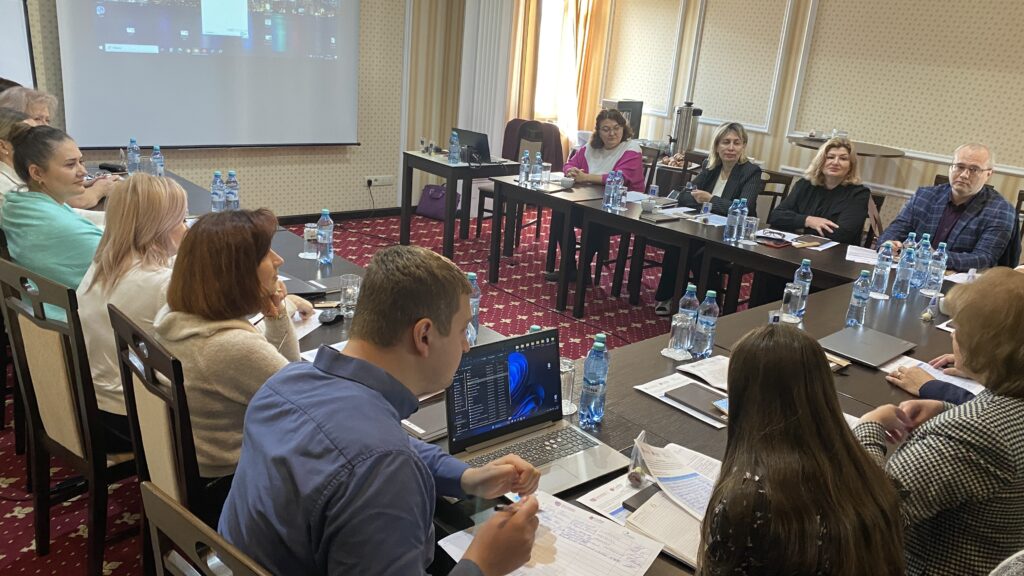
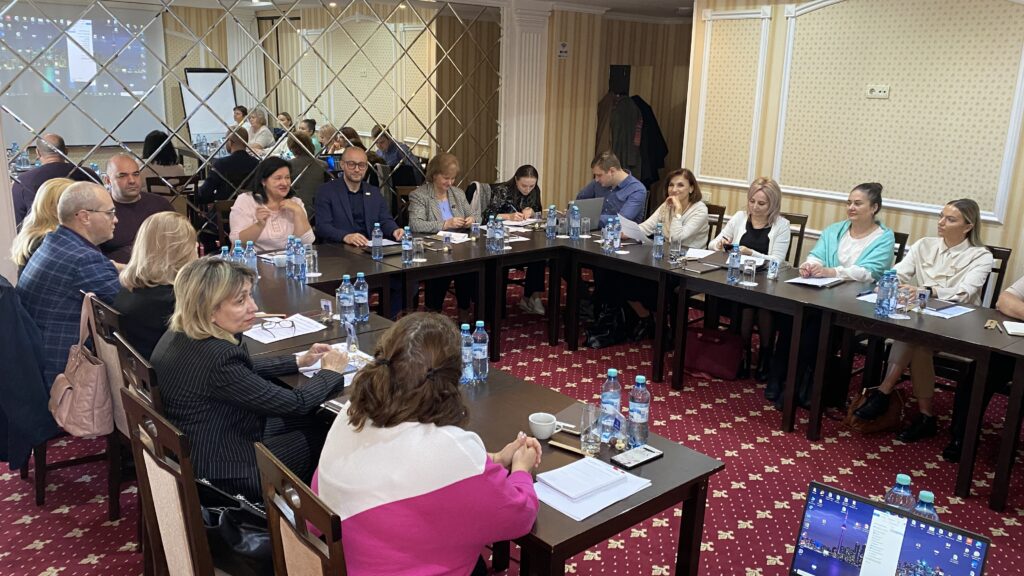
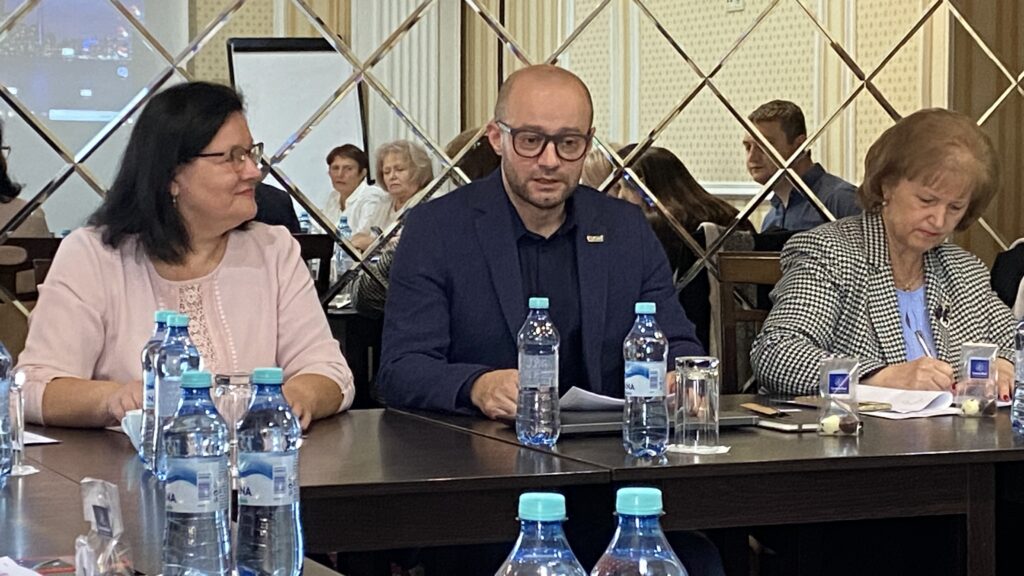
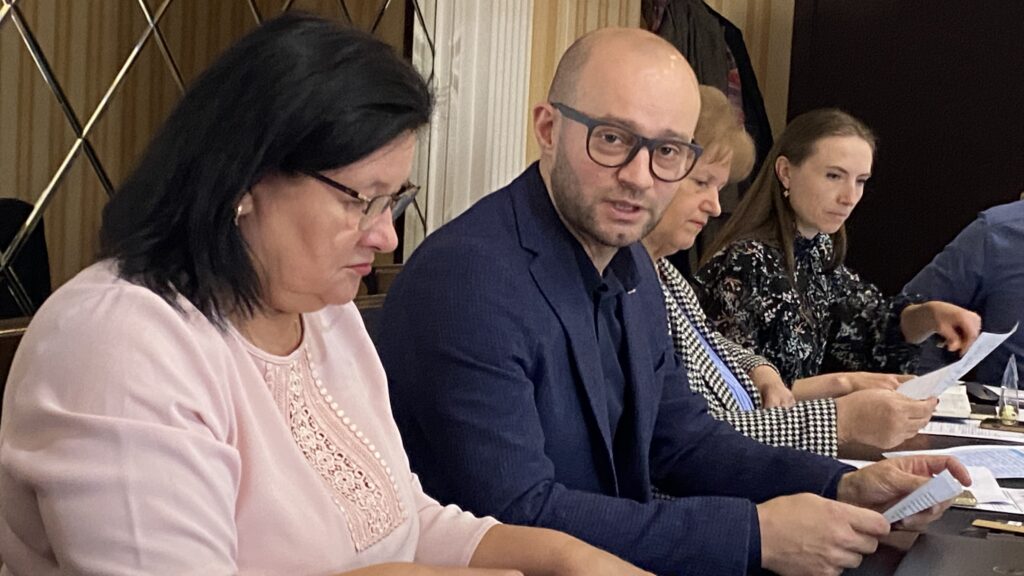
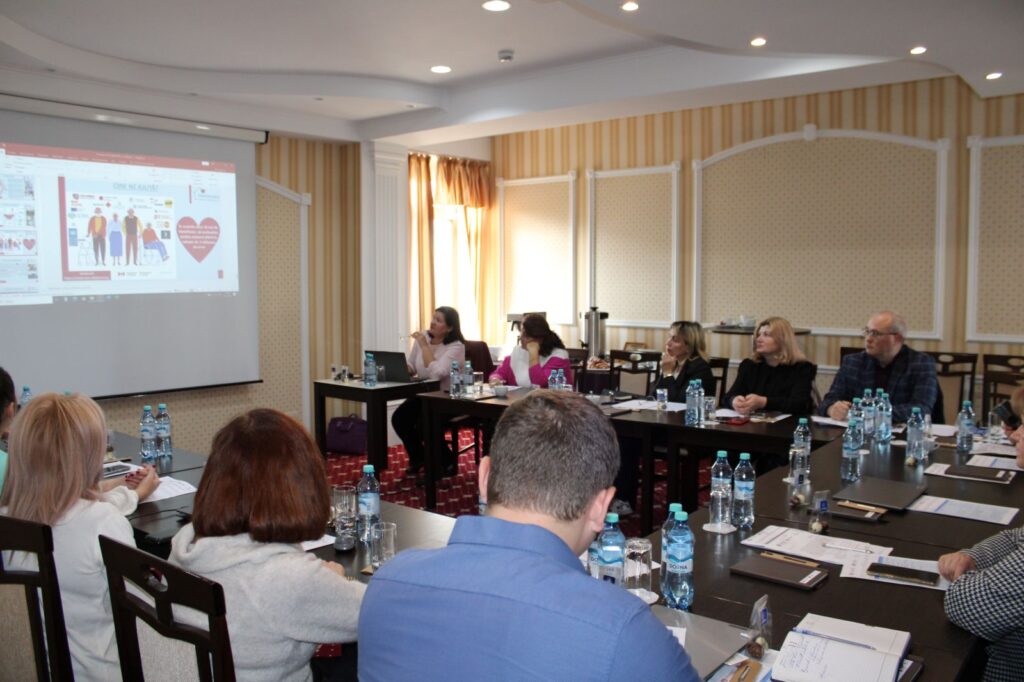
A consultative working group meeting was held today by the Ministry of Health responsible for piloting telemedicine services within the project ‘Technologies for the Future – Telemedicine in Home Care in Moldova.’ Attendees included representatives from the Ministries of Health and Labor, Caritas Czech Republic in Moldova, and the NGO Homecare.
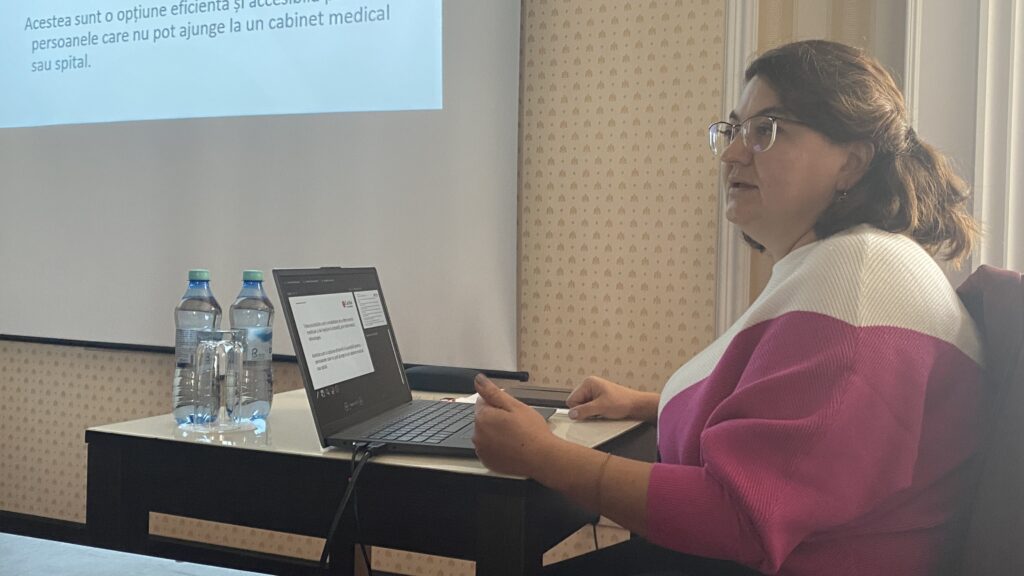
Otilia Sârbu, the expert, presented a report based on a study evaluating teleconsultants in medical and social care services provided at home in the Republic of Moldova. The study delved into assessing teleconsultations in home-based medical and social care services, focusing on cost analysis, the roles of multidisciplinary teams, and recommendations for development. It emphasized that enhancing and improving teleconsultation services pose a significant challenge but offer substantial benefits to patients and the medical system. Tailoring the duration and frequency of teleconsultations to individual needs and illness severity contributes to improving the quality of medical care and reducing costs.
The report concludes that enhancing and adapting home-based teleconsultation services are crucial for ensuring efficient, accessible, and quality care for patients. Collecting detailed data and adjusting the periodicity of consultations to individual needs optimize costs and improve the quality of home care services.
Tatiana Zatâc, hear of department at the Ministry of Health, noted that the pandemic experience served as a true learning for the healthcare sector. Pre-pandemic regulations, which were rigid and required physical presence for interventions and consultations, underwent a major shift. Remote consultations, based on images, photos, and even videos for treatment and care recommendations, became feasible. This practice remains relevant, especially in areas without family doctors or specialists and where access to medical investigations is limited. Thus, the future trends toward telemedicine and digitalizing healthcare and social systems to address these gaps.
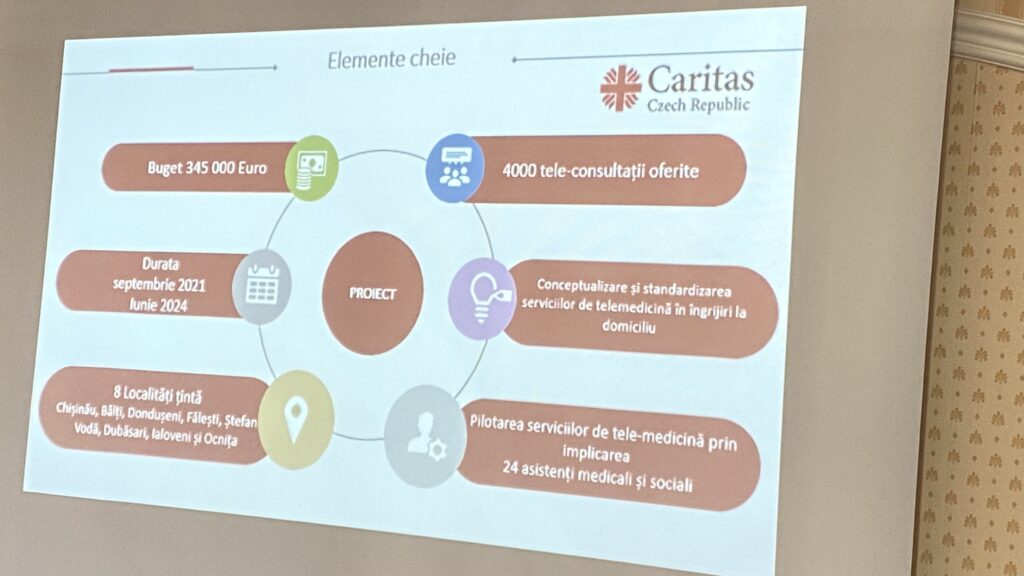
Mihai Nani, the country director of Caritas Czech Republic in Moldova, highlighted that transforming the telemedicine service, implemented in the 8 Homecare centers with Caritas Czech Republic’s support in Moldova, should be a top priority for the country. Progress in this direction is evident and becoming a tangible reality.
Tamara Adașan, director of AO Homecare, expressed the invaluable nature of witnessing the joy and gratitude of individuals benefitting from remote medical consultations. Many face difficulties accessing medical services due to staff shortages or transportation challenges. Supporting and maintaining these remote consultations is vital. They propose a concept involving fixed fees for these services, making them available not only in the 8 medical and social centers of Homecare but across the entire country, advocating for appropriate legislation.
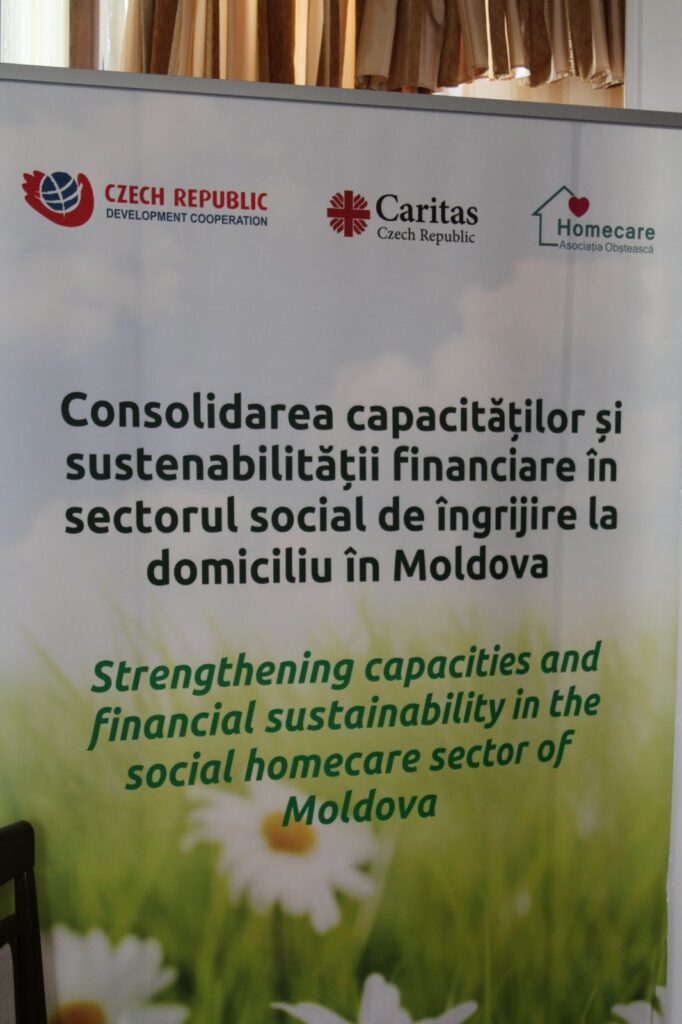
The project “Technologies for the Future – Telemedicine in Home Care in Moldova,” initiated by Caritas Czech Republic in partnership with AO Homecare, supported by the Czech Development Agency and the Embassy of the Czech Republic in Chișinău, showcases the enormous potential of telemedicine in improving the health and quality of life of Moldovan citizens. The project enhances patient comfort by enabling interaction with doctors without the stress of physical visits.
Over the course of the 3-year project implementation, the NGO Homecare’s main objective was to organize an extensive awareness campaign for medical and social caregivers, central and local authorities, as well as the general public, transforming it into a national objective.
Distribuie acest articol:


