
Medico-Social Training Held Under the Threat of Air Raids in Odesa

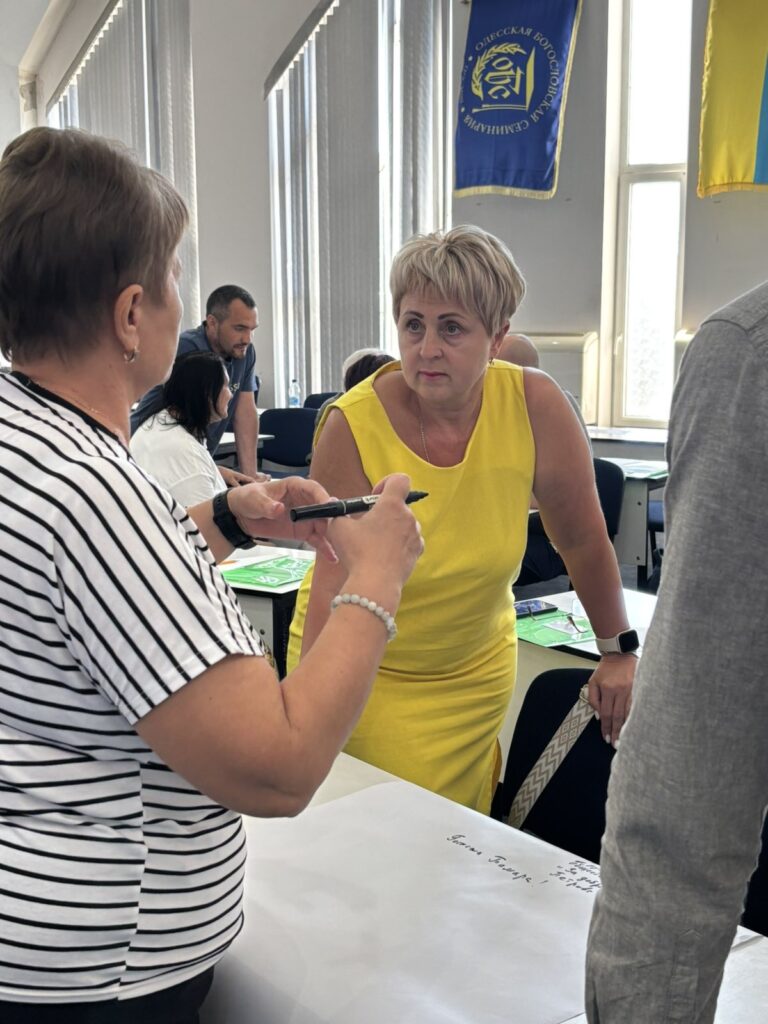
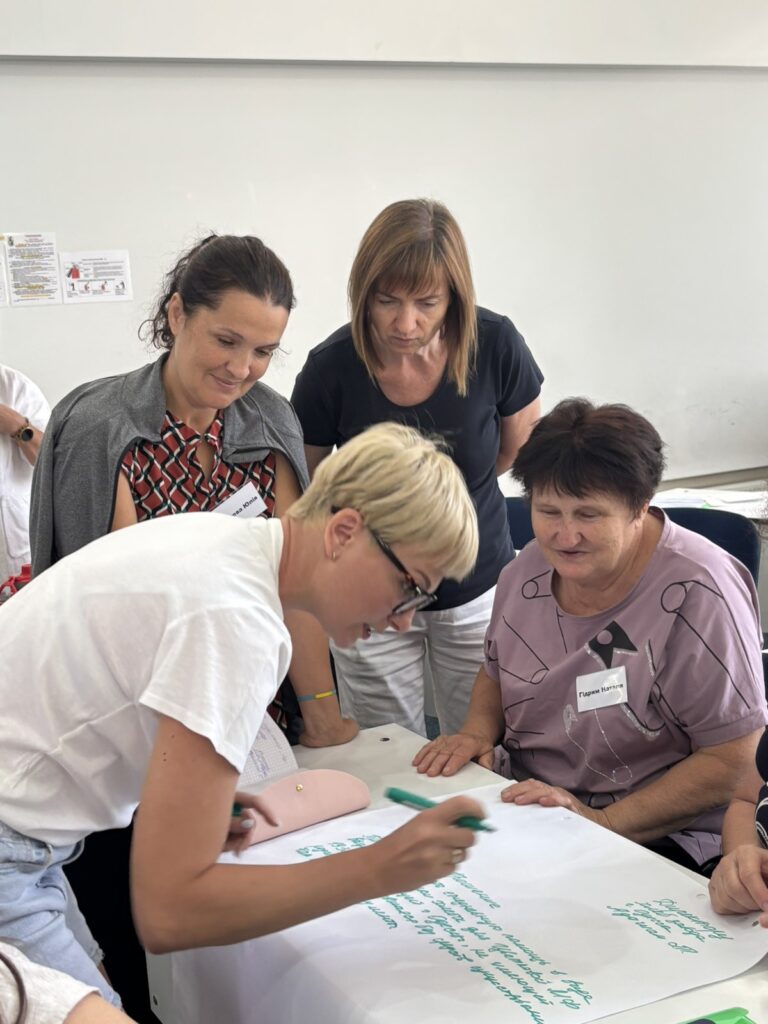
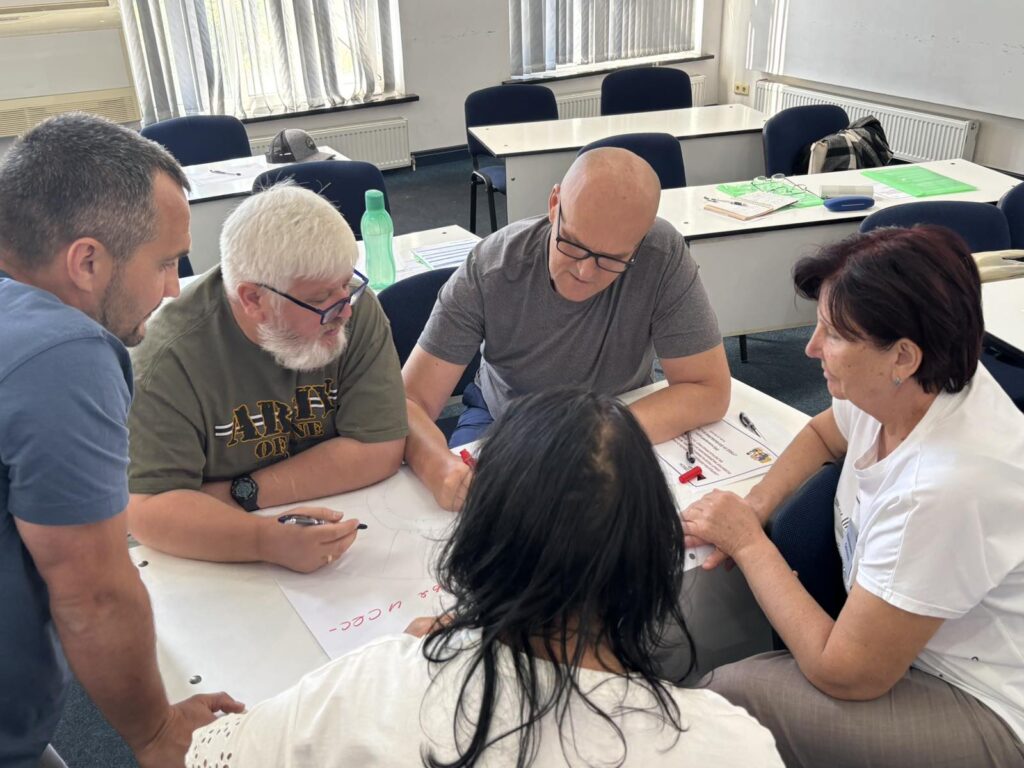
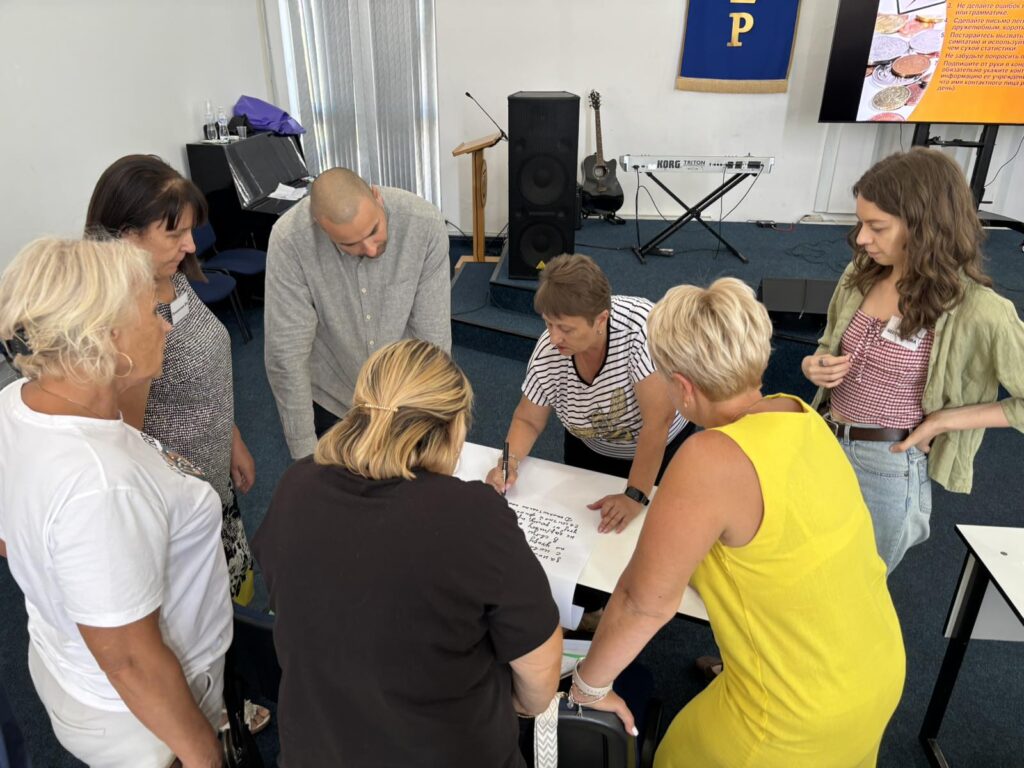
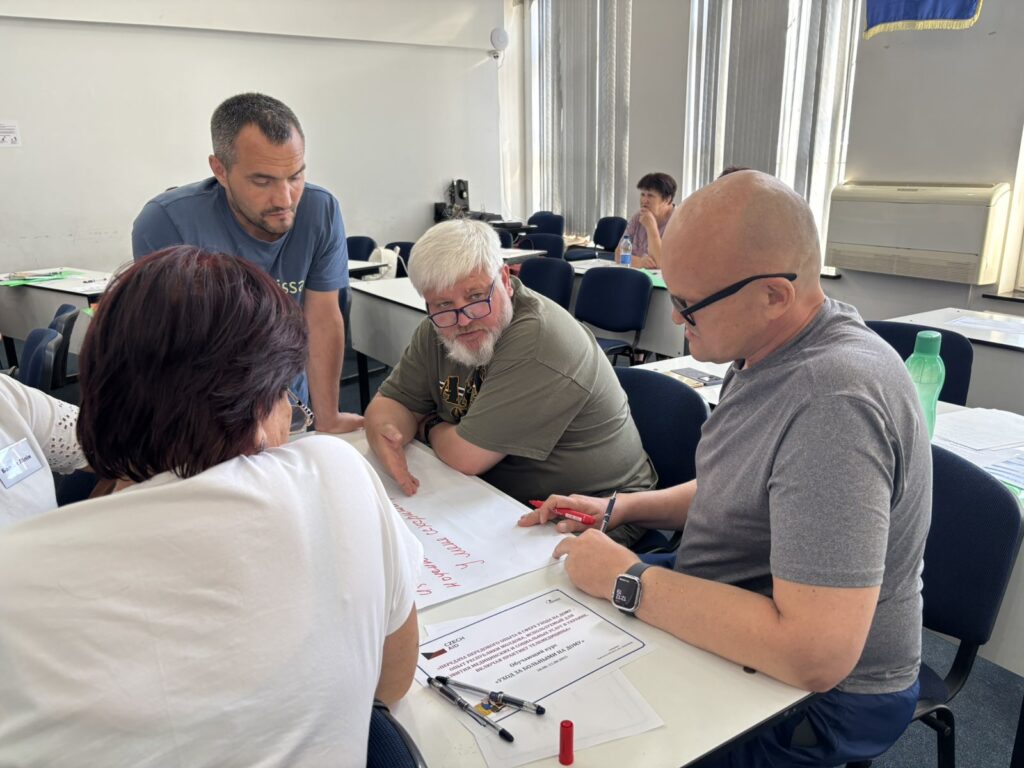
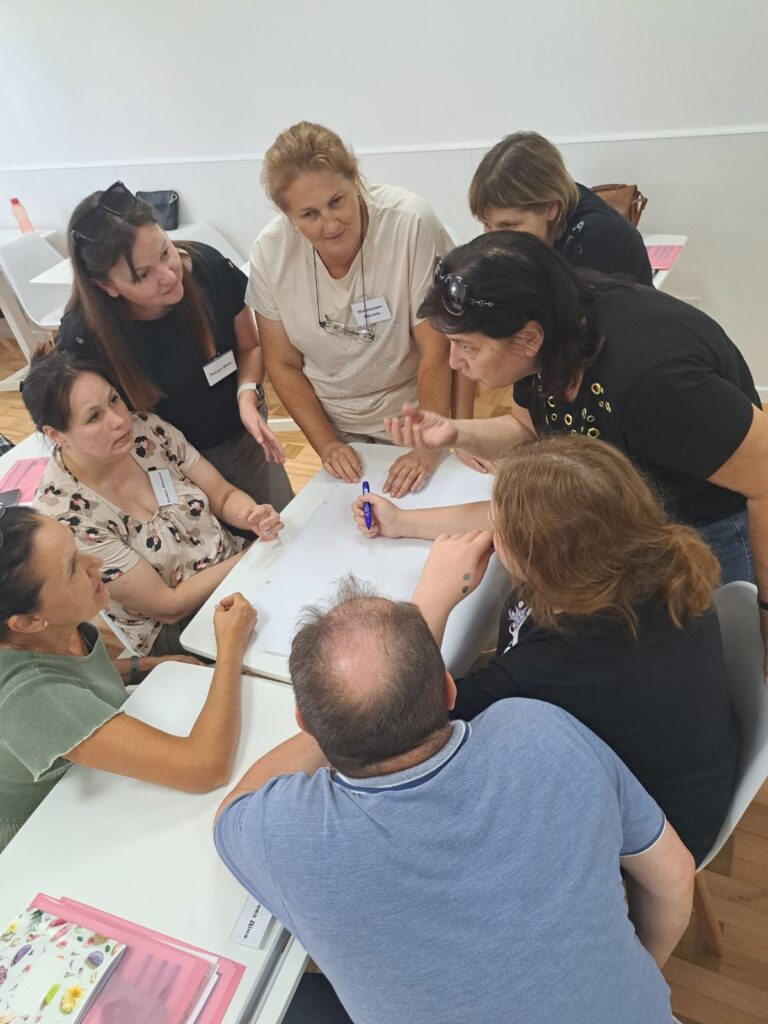
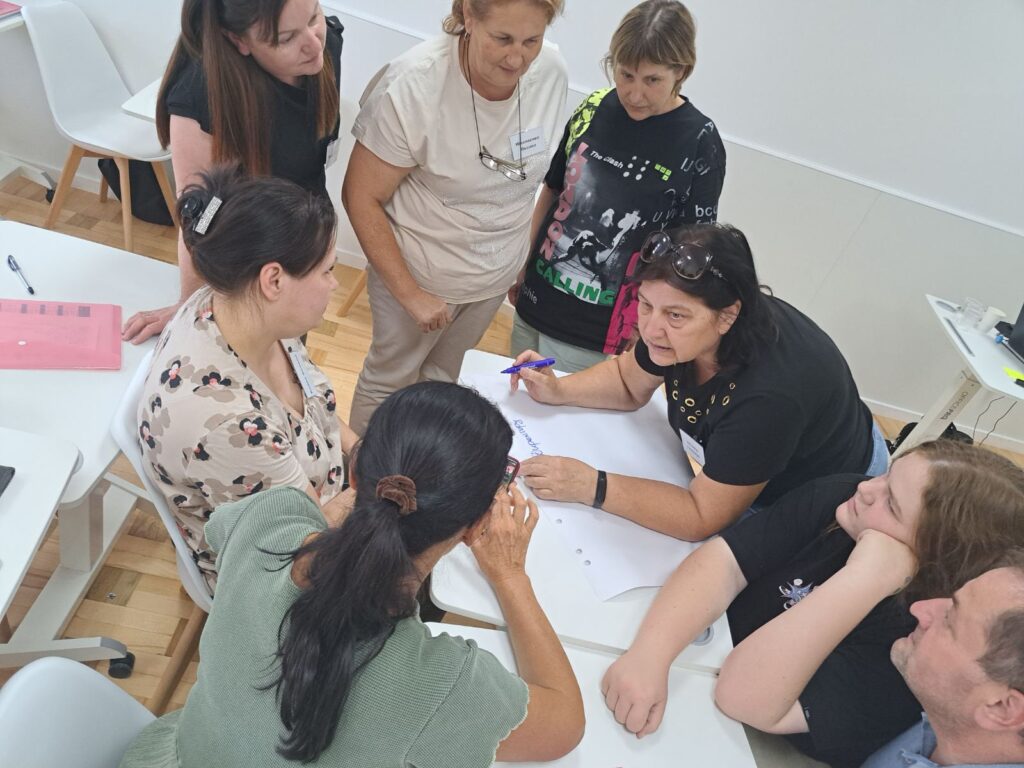
The second round of the international seminar dedicated to the development of home-based medico-social services in Ukraine was disrupted on Tuesday by repeated air raid sirens. Dozens of participants – specialists, healthcare and social workers from various regions of Ukraine – were evacuated in several stages to underground shelters until the all-clear was given.
The event, organized by the Homecare Association of the Republic of Moldova with the support of the Czech Development Agency (CzechAID) and the Embassy of the Czech Republic in Chișinău, is taking place in the Odesa region over the course of eight days, divided into two sessions of four days each. The training covers both theoretical and practical aspects, including the legal framework for medico-social services, quality standards, professional ethics, and modern methods of caring for vulnerable individuals.
The sessions are unfolding against the backdrop of intensified Russian attacks on the Odesa region. Russia launched its largest airstrike to date, targeting several Ukrainian regions with 270 Shahed drones and 10 missiles. While Ukrainian air defenses intercepted most of them, more than 40 drones and four missiles managed to strike civilian and industrial infrastructure, causing casualties and extensive damage.
The creation of medico-social homecare services has sparked overwhelming interest in Ukraine. Faced with more participants than originally planned, organizers report that over 600 applications have already been submitted for future training sessions.
According to Tamara Adașan, President of the Homecare Association, this surge in demand highlights the urgent need to train personnel capable of delivering home-based care in a wartime context, when hospitals are overwhelmed or destroyed and vulnerable populations face severely restricted access to essential medical services.
At the conclusion of the seminar, each participant receives two homecare manuals in Russian and Ukrainian, along with a fully equipped medical bag. The kit contains bandages, thermometers, blood pressure monitors, disposable gloves, and other essential supplies needed to provide first aid and monitor patients at home. These resources enable graduates to immediately put their newly acquired knowledge into practice and to provide tangible support within their communities, precisely where the need is greatest.
Distribuie acest articol:


