
Humanitarian Aid for the Population of the Transnistrian Region Affected by the Energy Crisis

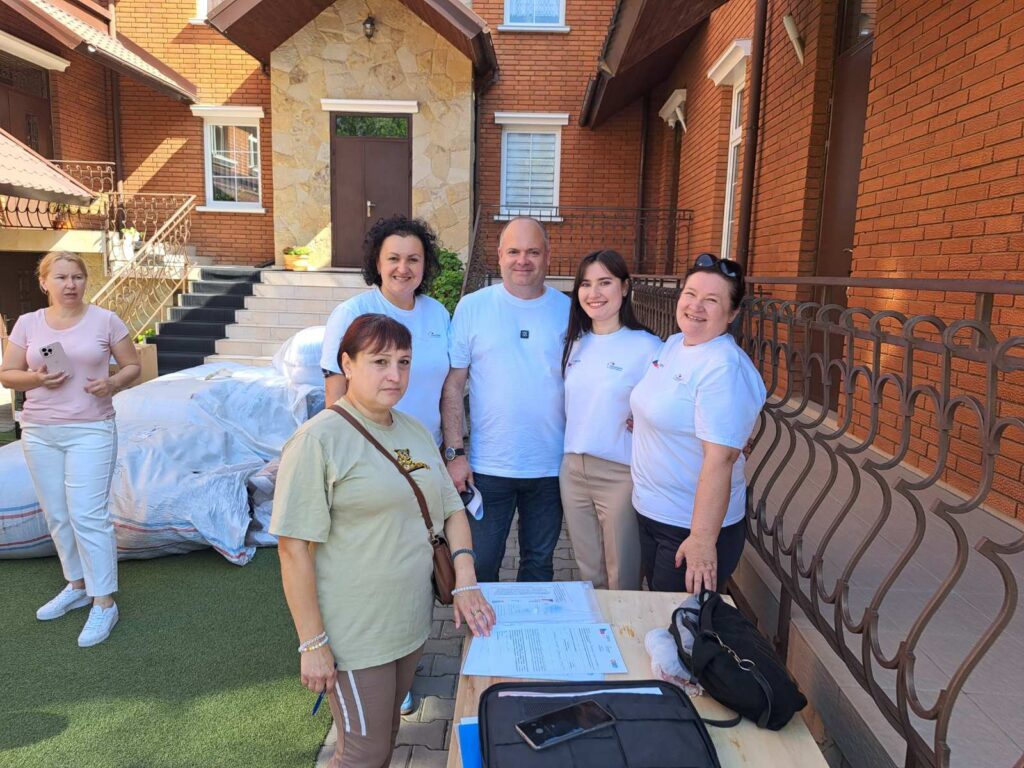
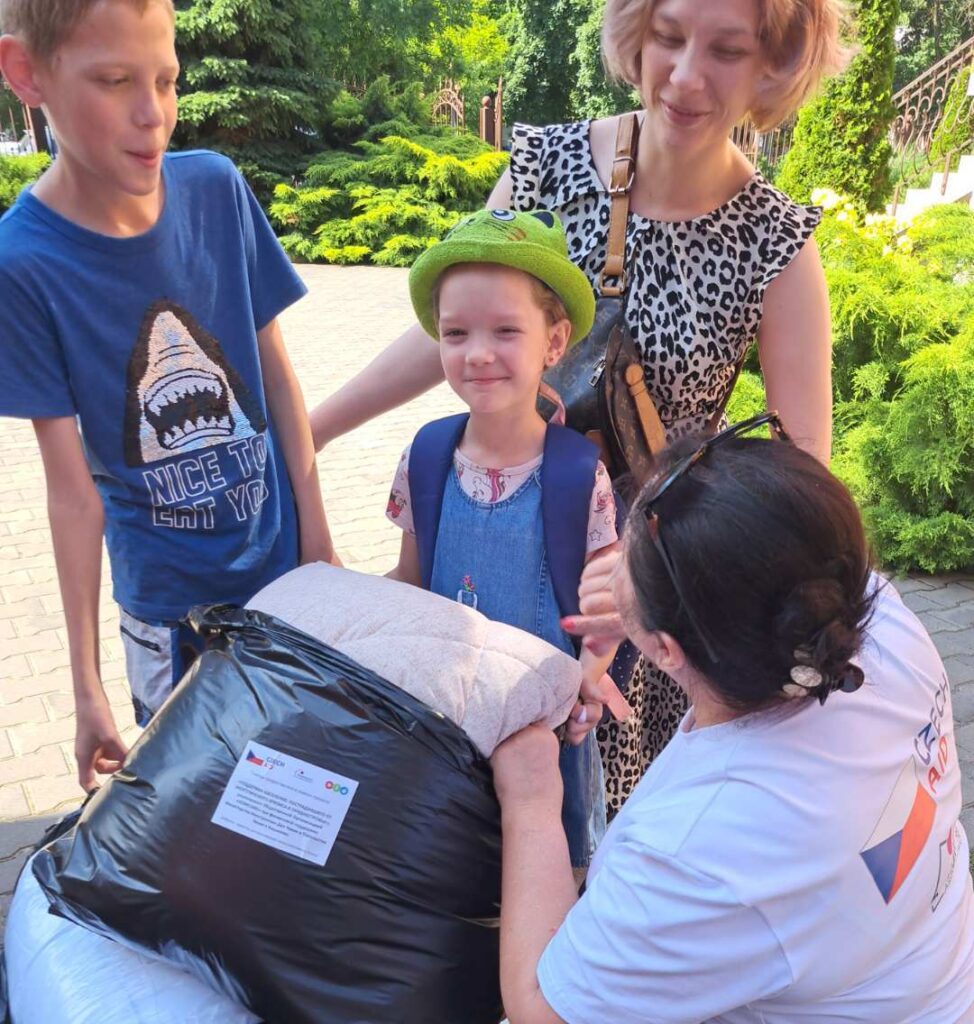
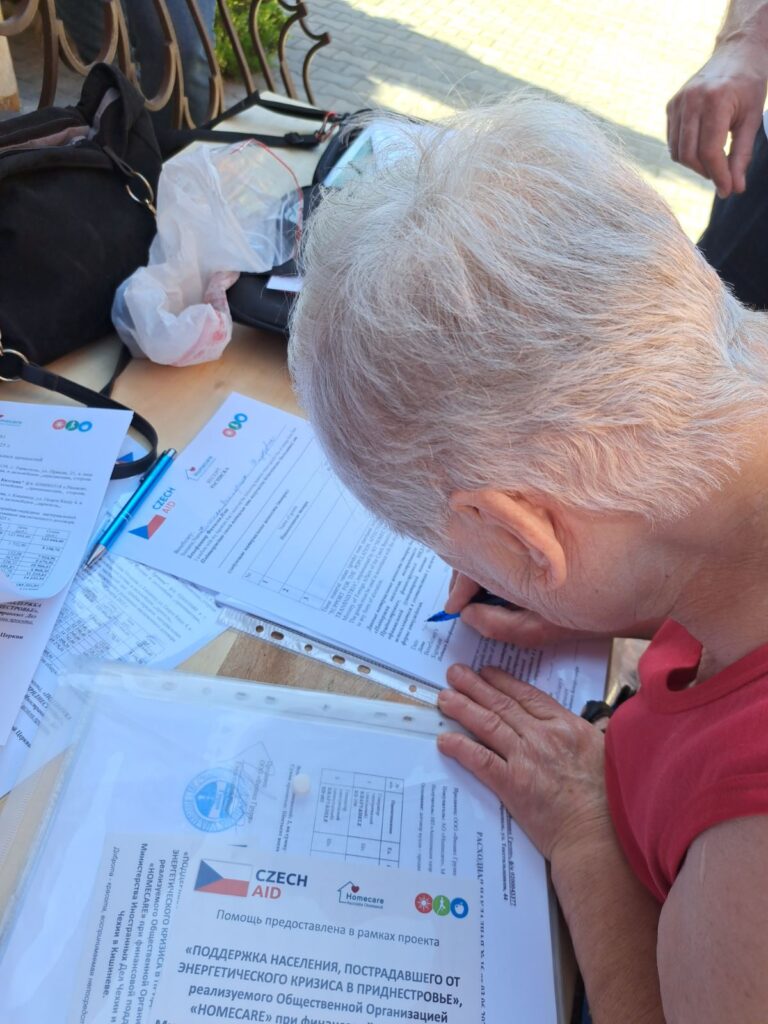
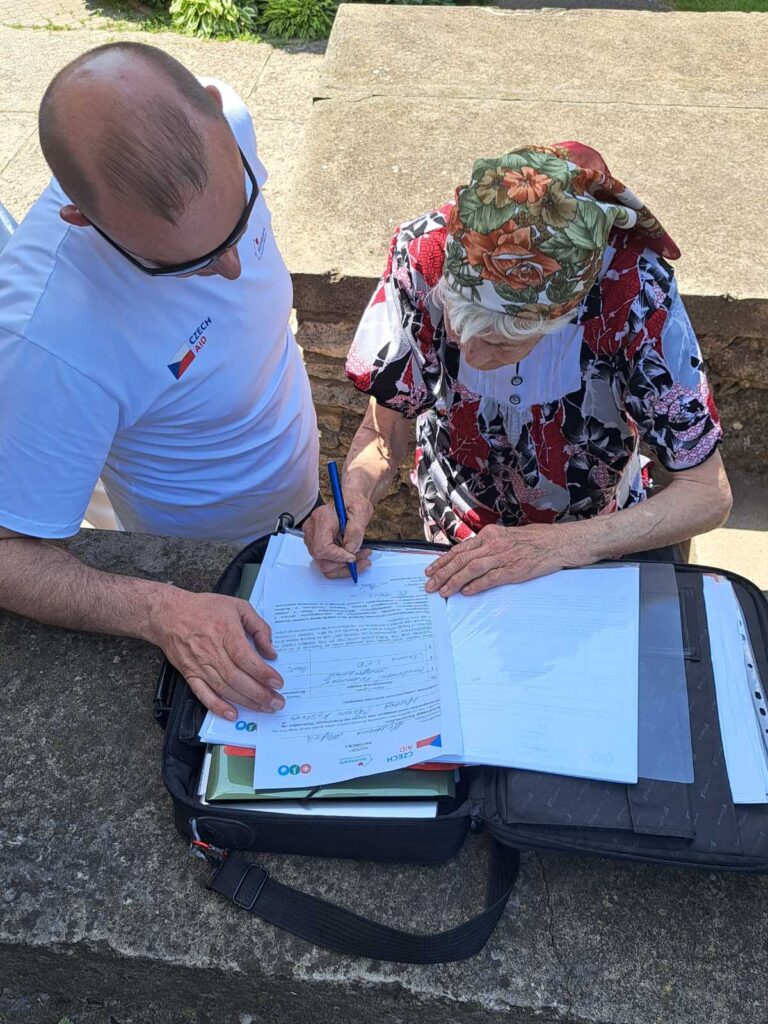
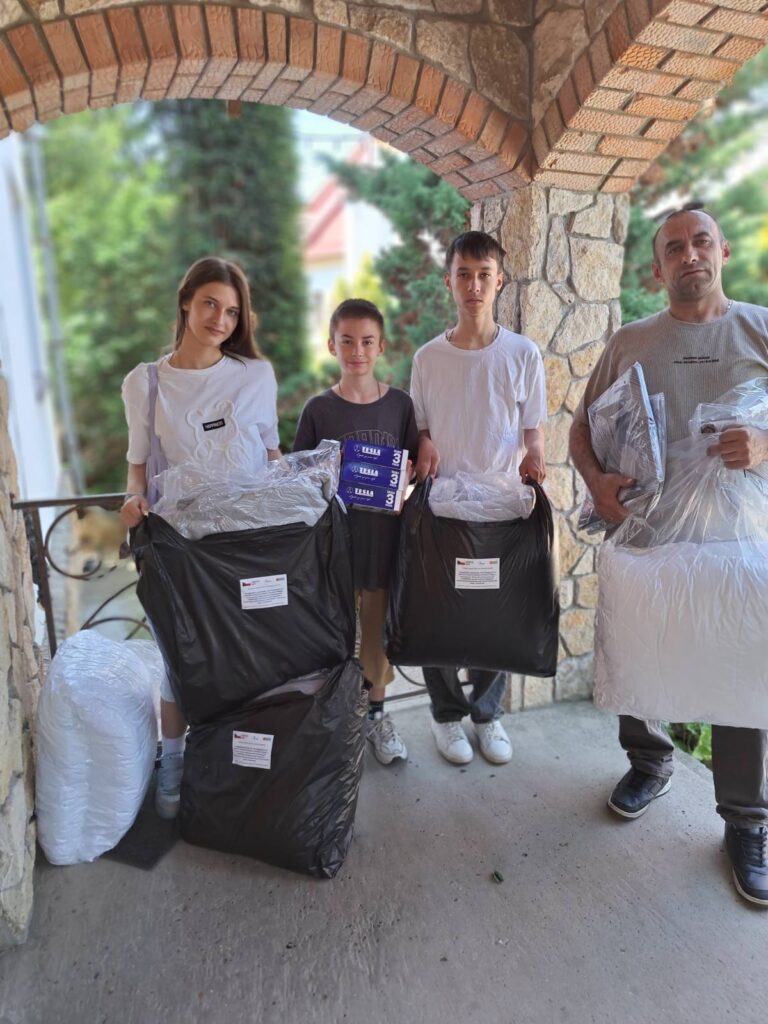
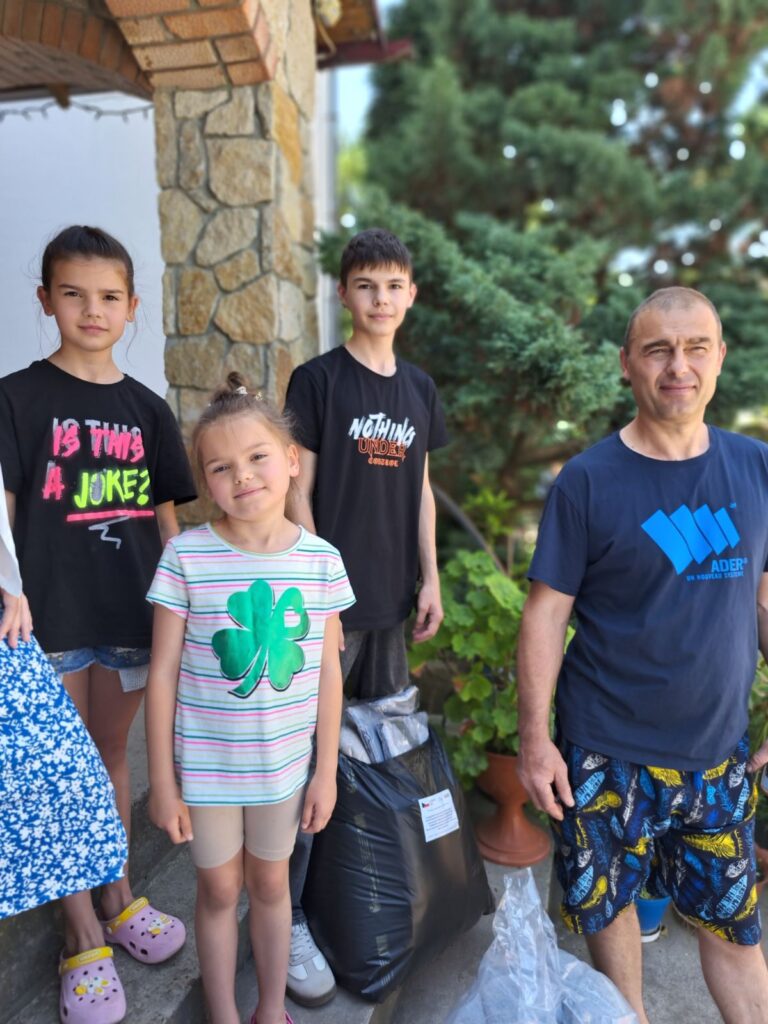
The first batches of humanitarian aid were distributed on Thursday, June 6, to support the population of the Transnistrian region affected by the ongoing energy crisis. The initiative is part of the project “Support for the Population Affected by the Energy Crisis in the Transnistrian Region,” implemented by AO Homecare, with financial support from the Ministry of Foreign Affairs of the Czech Republic and the Embassy of the Czech Republic in the Republic of Moldova.
The project aims to provide direct support to vulnerable families and to social and medical institutions that, in recent months, have faced serious difficulties in ensuring decent living conditions due to severe electricity shortages and a drastic decline in heating capacities. The situation has led to an increased risk of illness among vulnerable groups, particularly the elderly, large families, and persons with disabilities.
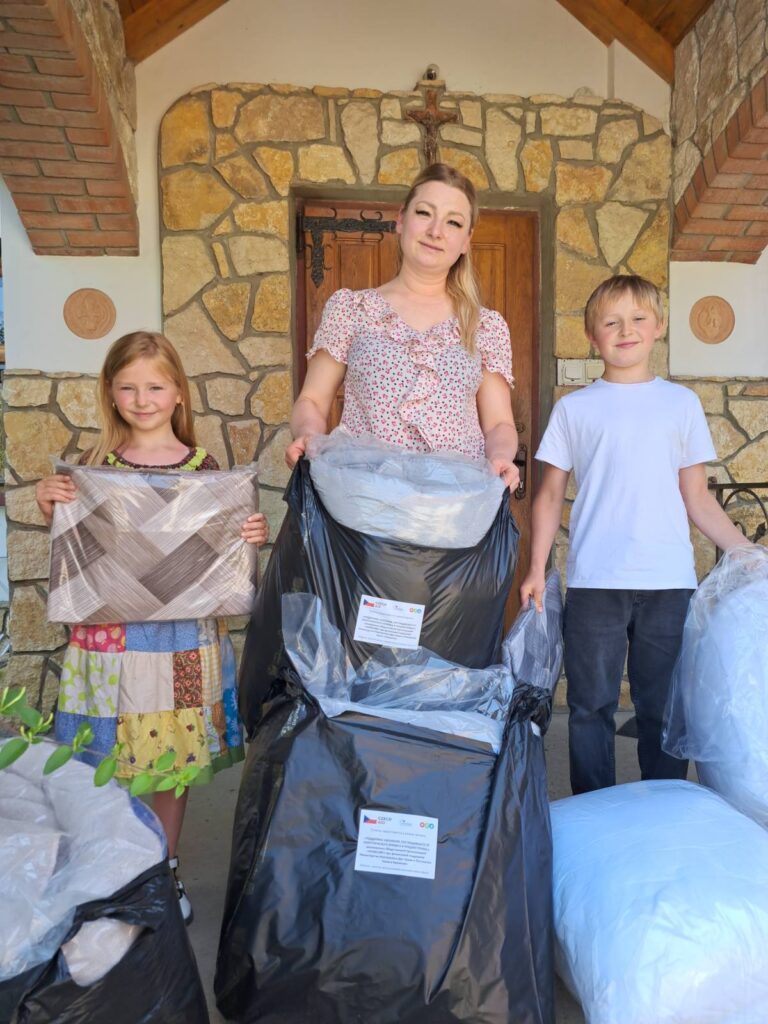
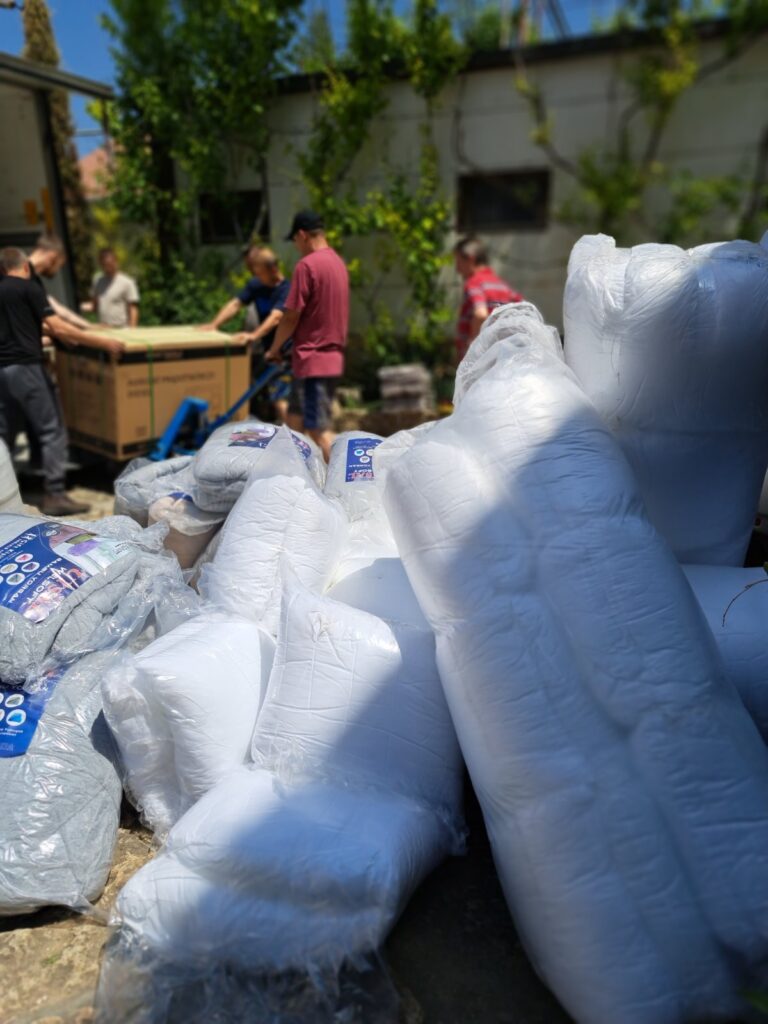
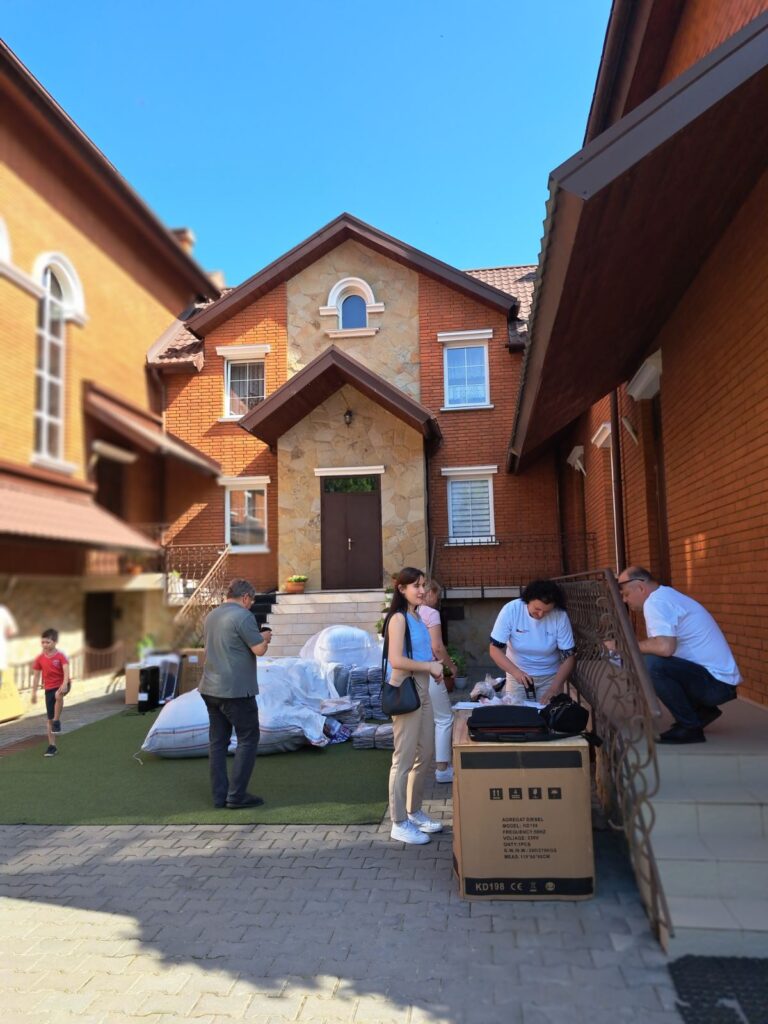
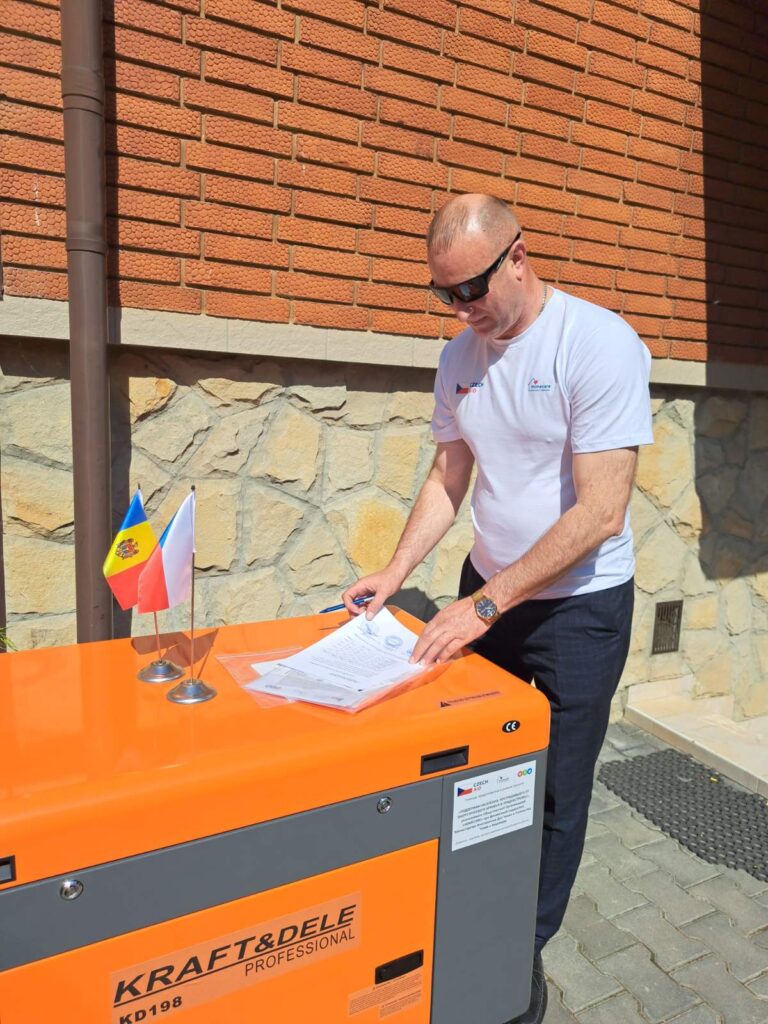
The distribution began with the support of three Roman Catholic parishes in Tiraspol, Rîbnița, and Rașcov. These parishes identified the families most severely impacted by the energy crisis. The aid packages being distributed include electric radiators, energy-saving LED light bulbs, and bedding sets consisting of pillows, blankets, and bed linens. More than 800 families are already benefiting from laundry services for clothing and bed linens. Additionally, three electric generators have been delivered to the Roman Catholic churches in Tiraspol, Rîbnița, and Rașcov, with six more generators scheduled for delivery. Two generators will be installed at the “Hippocrates” Medico-Social Center in the village of Doroțcaia and at the “Grija” Medico-Social Center. Furthermore, laundry and drying equipment, including washing machines, dryers, and other essential items for improving hygiene conditions, will also be provided.
The distribution of aid will continue until July 4, 2025, with the involvement of several partner organizations in the Transnistrian region. According to Homecare representatives, these measures will significantly contribute to improving the living conditions of vulnerable populations in the region and to maintaining basic social and medical services.
Distribuie acest articol:


